
Impervious surfaces such as concrete and asphalt can be useful for providing access for pedestrians, bicyclists, wheelchair users and cars.
However, the paving over of millions of acres of land and vegetation have contributed to numerous economic and environmental problems. In many cities, over half of the urban land is paved for roadways and parking lots. While we may need pavements and roadways, we can minimize the pavement we use for driveways and parking areas, and thereby restore the natural environment.
Firstly, impervious surfaces prevent rainwater from entering the soil and instead divert it to nearby waterways. Along the way, the rainwater carries pollutants such as oil, antifreeze, plastics, pesticides, and heavy metals from the roads into local streams and rivers, devastating wildlife habitat and polluting local waterways. In places like Portsmouth, drain overflows forces untreated sewage into the sea.
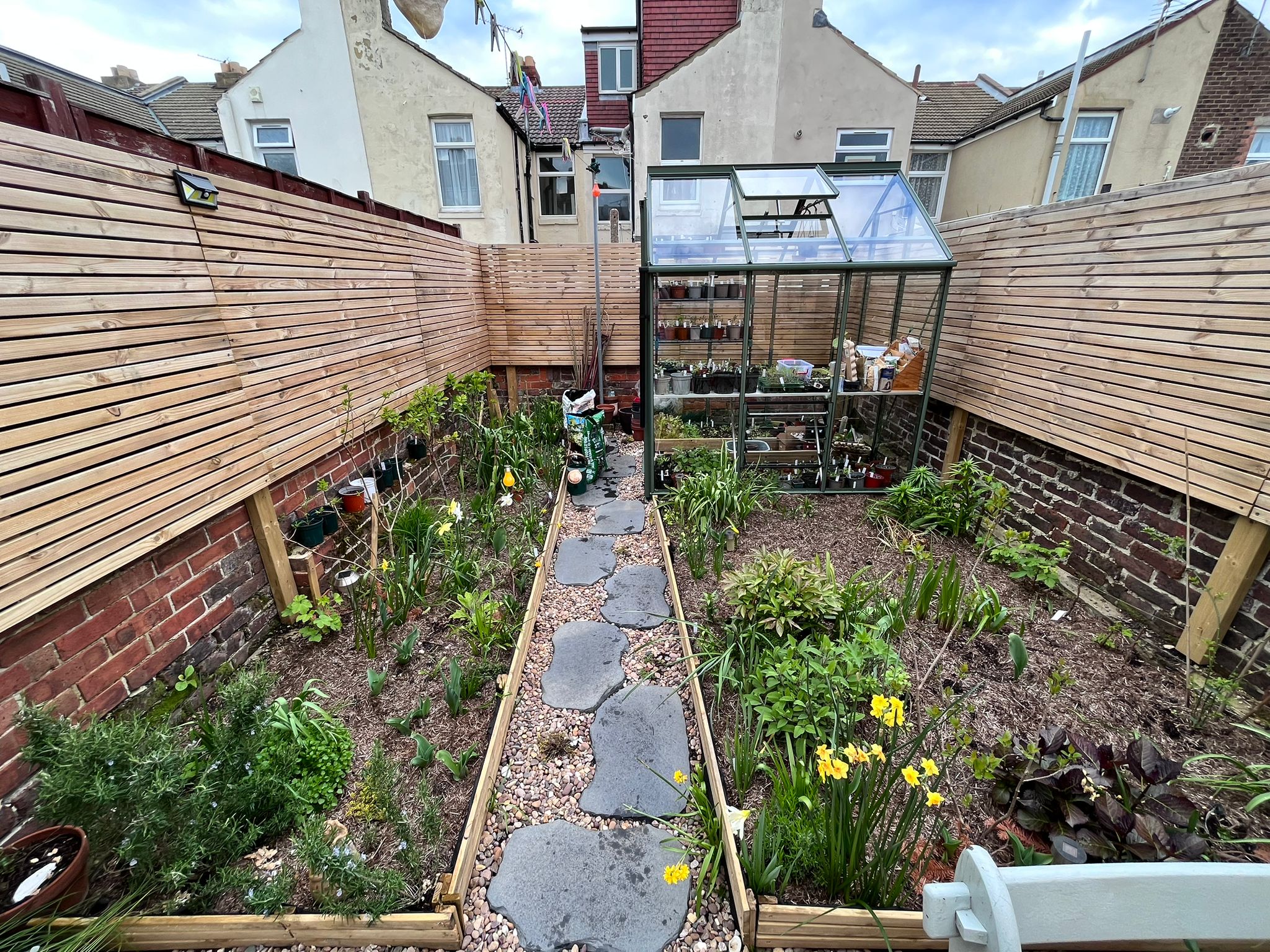
Pavement also increases the summertime temperatures in cities and suburbs. This “heat island effect” in urban areas often significantly increase temperatures. The elevated temperatures also contribute to the formation of ground-level ozone – the main constituent of smog. The removal of pavement allows for the revegetation of land with trees and plants.
Benefits of urban vegetation
- Cooling of homes and offices by shading the sun’s rays and the protection against harsh winds.
- Ambient cooling from evapotranspiration of rain on the leaves
- Aesthetic enhancement to areas and psychosocial benefits associated with greenery.
- Enhancing air quality by removing particulate pollutants and carbon dioxide from the air while producing oxygen.
- Visual privacy and reduction of noise from the street.
- Traffic calming when trees are planted along urban streets.
- Restoration of local habitat for birds, insects and other wildlife.
Source: http://www.depave.org

 Portsmouth Friends of the Earth